WHO Deworming Guidelines

Comprehensive World Health Organization guidelines for preventive chemotherapy and mass drug administration of soil-transmitted helminthiasis. Official WHO recommendations for Mebendazole treatment programs.

WHO Guidelines Preventive Chemotherapy Mass Drug Administration STH Control
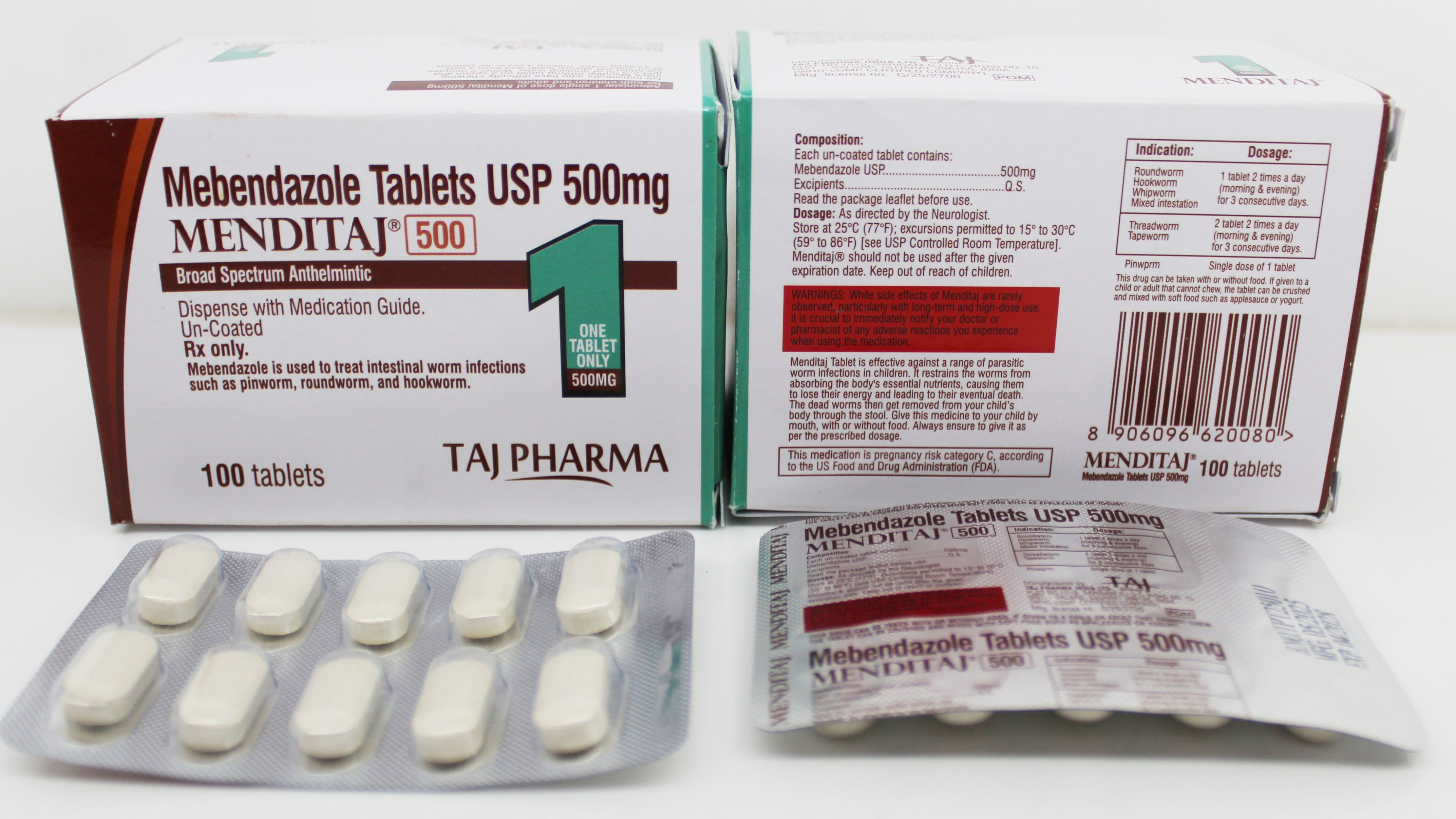
WHO Deworming Guidelines

WHO Deworming Program Overview

The World Health Organization (WHO) has established comprehensive guidelines for the control of soil-transmitted helminthiasis (STH) through preventive chemotherapy and mass drug administration (MDA). These guidelines aim to reduce morbidity and transmission of STH infections worldwide.

1.5B+

People at risk globally

24%

World population affected

100+

Countries implementing MDA

75%

Target coverage by 2030

Preventive Chemotherapy Strategy

WHO Preventive Chemotherapy

Definition

Preventive chemotherapy involves the administration of medicines to entire populations or at-risk groups, regardless of individual infection status, to reduce morbidity and transmission.

Target Diseases

Focus on soil-transmitted helminthiasis (STH) caused by Ascaris lumbricoides, Trichuris trichiura, and hookworms (Ancylostoma duodenale and Necator americanus).

Target Populations

School-age children (5-14 years), preschool children (1-4 years), women of reproductive age (15-49 years), and adults in high-risk occupations.

Drug of Choice

Mebendazole 500mg single dose is the WHO-recommended first-line treatment for STH infections due to efficacy, safety, and cost-effectiveness.

Treatment Regimens

Target Group Drug Dosage Frequency
School-age children Mebendazole 500mg single dose Annual or biannual
Preschool children Mebendazole 500mg single dose Annual or biannual
Women of reproductive age Mebendazole 500mg single dose Annual
Adults in high-risk areas Mebendazole 500mg single dose Annual

WHO Recommendation

WHO recommends annual treatment in areas with 20-50% prevalence and twice-yearly treatment in areas with >50% prevalence for STH infections.

Implementation Guidelines

Key Implementation Components

Mapping and Surveillance

Conduct prevalence mapping to identify high-risk areas and establish surveillance systems to monitor program impact and drug efficacy.

Health Education

Implement health education programs to promote hygiene, sanitation, and understanding of deworming benefits.

Community Engagement

Engage community leaders, teachers, and parents to ensure high treatment coverage and compliance.

Monitoring & Evaluation

Establish robust M&E systems to track coverage, impact, and drug resistance patterns.

School-Based Deworming Programs

Program Components

School Mapping

Identify all schools in target areas, enroll students, and establish treatment schedules.

Teacher Training

Train teachers on drug administration, side effect management, and record keeping.

Drug Distribution

Distribute Mebendazole tablets to schools with proper storage and administration protocols.

Reporting System

Establish reporting systems for treatment coverage, adverse events, and program monitoring.

Benefits of School-Based Programs

High Coverage: Schools provide access to large numbers of children efficiently
Cost-Effective: Lower implementation costs compared to community-based programs
Education Integration: Combines treatment with health education
Sustainability: Established infrastructure for long-term program implementation
Monitoring: Easier to track coverage and compliance

WHO Coverage Targets

Global Targets for STH Control

2020 Target

75% treatment coverage of school-age children in endemic countries

2025 Target

Eliminate STH as a public health problem in children in endemic countries

2030 Target

Eliminate STH morbidity in all endemic countries through universal coverage

Monitoring Indicators

Regular monitoring of prevalence, intensity, and coverage to track progress

Drug Management Guidelines

Mebendazole Specifications

Formulation: 500mg chewable tablets
Quality: WHO prequalified, GMP certified
Storage: Room temperature, protected from moisture
Shelf Life: 36 months
Packaging: Bulk bottles, blister packs
Distribution: Temperature-controlled logistics

Supply Chain Management

Procurement: Centralized procurement through WHO or national programs
Distribution: Cold chain not required, ambient temperature stable
Storage: Secure storage with inventory management systems
Tracking: Lot tracking and expiration monitoring
Reporting: Regular reporting of consumption and stock levels

Safety Profile and Side Effects

Safety Profile

Excellent Safety: Mebendazole has an excellent safety profile with minimal side effects
Pediatric Safe: Safe for children >1 year with appropriate dosing
Pregnancy: Category C, avoid in first trimester, use with caution
Drug Interactions: Minimal drug interactions, well-tolerated

Common Side Effects

Gastrointestinal: Abdominal pain (2-5%), diarrhea (1-3%)
Central Nervous: Headache (<1%), dizziness (<1%)
Allergic: Rare (<0.1%), rash, urticaria
Severity: Generally mild and self-limiting
Management: Supportive care, usually no treatment needed

Monitoring and Evaluation Framework

Key Performance Indicators

Treatment Coverage

Percentage of target population receiving treatment (target: >75%)

Prevalence Reduction

Reduction in STH prevalence over time (target: <5% moderate/heavy infections)

Adverse Events

Monitoring of side effects and adverse events (target: <1% serious events)

Knowledge Improvement

Improvement in knowledge about STH and prevention (target: >80% awareness)

Country Implementation Examples

Success Stories

Brazil

National school-based deworming program reaching 15 million children annually with 95% coverage.

Kenya

School deworming program combined with health education reducing prevalence from 40% to 8%.

Bangladesh

Community-based program achieving 80% coverage and significant reduction in anemia.

India

National deworming day reaching 300 million children with biannual treatment.

Best Practices

Multi-sectoral Approach: Coordination between health, education, and water sectors
Community Ownership: Engaging communities in program planning and implementation
Integration: Integrating deworming with other health interventions
Sustainability: Building local capacity and sustainable financing

Partner for WHO-Compliant Deworming Programs

Implement WHO-compliant deworming programs with WHO-prequalified Mebendazole. Get complete support for preventive chemotherapy and mass drug administration initiatives.

Related WHO Information

Types of Intestinal Worms

Comprehensive guide to intestinal worms, symptoms, and treatment options with Mebendazole.

Worm Types
Mebendazole 100mg

Pediatric formulation of Mebendazole for children and WHO-recommended dosing for school programs.

100mg Product
HCP Resources

Healthcare professional resources including dosing guidelines and treatment protocols.

HCP Resources

Need more information? Contact us or get a quote

Our team is ready to provide you with the best pharmaceutical products and support

Chat with us
Need help?
Chat with our pharmaceutical experts