Comprehensive Guide to Intestinal Worms

Detailed information about types of intestinal worms affecting humans, their symptoms, diagnosis, and treatment options with Mebendazole. Educational resource for healthcare professionals and patients.

Medical Education WHO Guidelines Treatment Options Symptoms Guide
Types of Intestinal Worms

Intestinal Worm Infections Overview

Intestinal worm infections, also known as soil-transmitted helminthiasis, affect over 1.5 billion people worldwide. These parasitic infections are caused by various types of worms including nematodes (roundworms), cestodes (tapeworms), and trematodes (flukes).

1.5B+

People affected globally

24%

World population infected

3

Main worm categories

100+

Countries affected

Nematodes (Roundworms)

Common Nematode Infections

Roundworm (Ascaris lumbricoides)

Prevalence: 800-1.2 billion infections worldwide

Symptoms: Abdominal pain, malnutrition, growth retardation

Transmission: Ingestion of eggs from contaminated soil/food

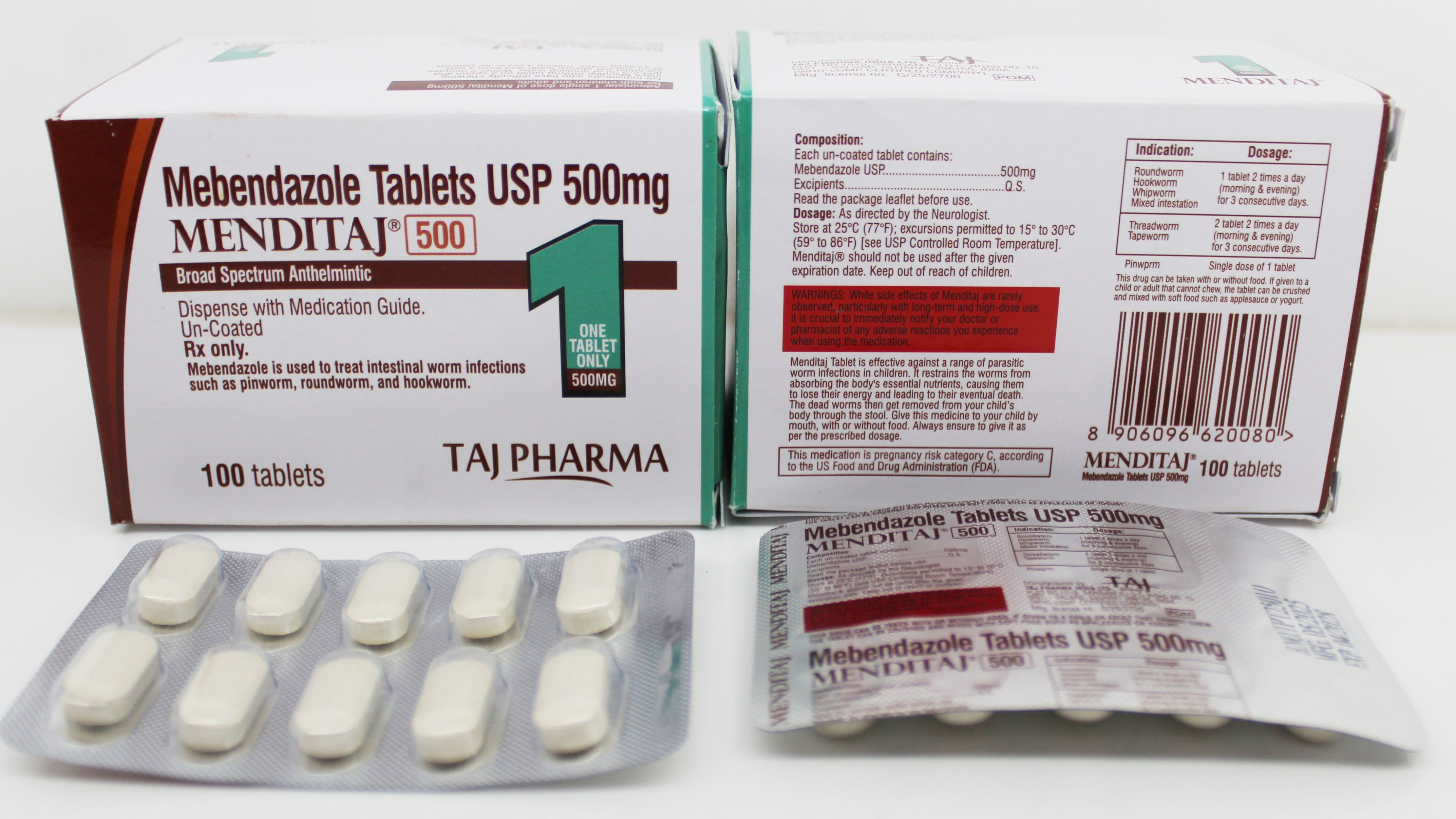
Treatment: Mebendazole 500mg single dose

Efficacy: 95% cure rate with Mebendazole

Hookworm (Ancylostoma duodenale, Necator americanus)

Prevalence: 500-700 million infections

Symptoms: Iron deficiency anemia, protein deficiency

Transmission: Larval penetration through skin

Treatment: Mebendazole 500mg daily for 3 days

Efficacy: 85% cure rate

Whipworm (Trichuris trichiura)

Prevalence: 400-600 million infections

Symptoms: Diarrhea, rectal prolapse, growth retardation

Transmission: Ingestion of eggs from contaminated soil

Treatment: Mebendazole 500mg twice daily for 3 days

Efficacy: 65% cure rate

Pinworm (Enterobius vermicularis)

Prevalence: 200-400 million infections

Symptoms: Perianal itching, sleep disturbance

Transmission: Ingestion of eggs, autoinfection

Treatment: Mebendazole 100mg single dose

Efficacy: 100% cure rate

Nematode Characteristics

Size: 1mm to 40cm in length
Shape: Cylindrical, unsegmented body
Life Cycle: Direct transmission, no intermediate host
Location: Intestinal lumen
Reproduction: Sexual reproduction, separate sexes
Egg Production: Thousands to hundreds of thousands daily

Mebendazole Efficacy Against Nematodes

Roundworm
95%
Hookworm
85%
Whipworm
65%
Pinworm
100%

Cestodes (Tapeworms)

Common Cestode Infections

Beef Tapeworm (Taenia saginata)

Prevalence: 50-60 million infections

Symptoms: Abdominal pain, weight loss, malnutrition

Transmission: Undercooked beef consumption

Treatment: Albendazole (Mebendazole less effective)

Efficacy: Mebendazole not recommended

Pork Tapeworm (Taenia solium)

Prevalence: 20-40 million infections

Symptoms: Abdominal pain, neurocysticercosis risk

Transmission: Undercooked pork consumption

Treatment: Albendazole (Mebendazole less effective)

Efficacy: Mebendazole not recommended

Fish Tapeworm (Diphyllobothrium latum)

Prevalence: 10-20 million infections

Symptoms: Vitamin B12 deficiency, anemia

Transmission: Undercooked fish consumption

Treatment: Praziquantel (Mebendazole ineffective)

Efficacy: Mebendazole not effective

Cestode Characteristics

Size: 2mm to 10 meters in length
Shape: Flat, segmented body (proglottids)
Life Cycle: Requires intermediate host
Location: Intestinal lumen
Reproduction: Hermaphroditic, self-fertilization
Egg Production: Thousands of eggs daily

Mebendazole Limitations

Important Note: Mebendazole is not effective against cestode (tapeworm) infections. Alternative treatments such as praziquantel or albendazole are required for tapeworm infections.

Trematodes (Flukes)

Common Trematode Infections

Liver Fluke (Fasciola hepatica)

Prevalence: 2-5 million infections

Symptoms: Abdominal pain, liver damage, fever

Transmission: Water plants, contaminated water

Treatment: Triclabendazole (Mebendazole ineffective)

Efficacy: Mebendazole not effective

Blood Fluke (Schistosoma mansoni)

Prevalence: 200+ million infections

Symptoms: Abdominal pain, bloody diarrhea, liver damage

Transmission: Freshwater snails, contaminated water

Treatment: Praziquantel (Mebendazole ineffective)

Efficacy: Mebendazole not effective

Lung Fluke (Paragonimus)

Prevalence: 20+ million infections

Symptoms: Cough, chest pain, respiratory symptoms

Transmission: Undercooked crab/crayfish

Treatment: Praziquantel (Mebendazole ineffective)

Efficacy: Mebendazole not effective

Trematode Characteristics

Size: 1mm to 7cm in length
Shape: Leaf-shaped, unsegmented body
Life Cycle: Requires intermediate host (snail)
Location: Various organs (liver, blood, lungs)
Reproduction: Hermaphroditic, sexual reproduction
Egg Production: Hundreds to thousands daily

Alternative Treatments

Treatment Options: For trematode infections, praziquantel is the treatment of choice. Other options include triclabendazole for liver flukes and oxamniquine for schistosomiasis.

Common Symptoms of Intestinal Worm Infections

General Symptoms

Abdominal Pain: Cramping, discomfort, bloating
Diarrhea: Watery stools, sometimes bloody
Weight Loss: Malnutrition, failure to thrive
Fatigue: Weakness, lethargy, anemia
Sleep Disturbance: Insomnia, restlessness

Severe Symptoms

Intestinal Obstruction: Severe pain, vomiting
Neurological Symptoms: Seizures, confusion
Respiratory Symptoms: Cough, breathing difficulty
Liver Damage: Jaundice, enlarged liver
Growth Retardation: Stunted growth in children

Diagnosis Methods

Laboratory Diagnosis

Stool Microscopy

Examination of stool samples for parasite eggs, larvae, or adult worms. Most common and cost-effective method.

Stool Concentration

Concentration techniques (flotation, sedimentation) to increase detection sensitivity.

Molecular Tests

PCR-based tests for sensitive detection of parasite DNA in stool samples.

Blood Tests

Serological tests for antibodies and complete blood count for anemia and eosinophilia.

Clinical Diagnosis

Symptom Assessment: Evaluation of characteristic symptoms
Risk Factors: Geographic location, sanitation, exposure
Physical Exam: Abdominal examination, growth assessment
Nutritional Status: Assessment for malnutrition signs
Travel History: Recent travel to endemic areas
Family History: Other family members with symptoms

Prevention Strategies

Personal Hygiene

Hand Washing: Regular hand washing with soap, especially before eating and after using toilet
Footwear: Wearing shoes to prevent hookworm penetration
Food Safety: Thorough cooking of meat and fish, washing fruits and vegetables
Safe Water: Drinking boiled or treated water

Environmental Sanitation

Sanitation: Proper toilet facilities and waste disposal
Water Treatment: Community water treatment systems
Food Safety: Food handling regulations and inspections
Health Education: Community awareness programs
Mass Treatment: Community deworming programs
Surveillance: Regular monitoring and reporting

WHO Treatment Guidelines

World Health Organization Recommendations

Preventive Chemotherapy

WHO recommends preventive chemotherapy (mass drug administration) in endemic areas with prevalence >20%. Single-dose Mebendazole 500mg is the recommended treatment.

Target Populations

School-age children (5-14 years), preschool children (1-4 years), and women of reproductive age are priority groups for treatment.

Treatment Frequency

Annual treatment in areas with prevalence 20-50%, twice-yearly treatment in areas with prevalence >50%.

Monitoring & Evaluation

Regular monitoring of treatment coverage, drug efficacy, and prevalence reduction to program success.

Comprehensive Worm Treatment Solutions

Get effective Mebendazole treatment for nematode infections with proven efficacy and safety. Partner with us for deworming programs and public health initiatives.

Related Medical Information

How Mebendazole Works

Detailed explanation of Mebendazole's mechanism of action and pharmacology for treating worm infections.

View Mechanism
Mebendazole 100mg

Pediatric formulation of Mebendazole for children and multi-day therapy regimens.

100mg Product
HCP Resources

Healthcare professional resources including dosing guidelines and treatment protocols.

HCP Resources

Need more information? Contact us or get a quote

Our team is ready to provide you with the best pharmaceutical products and support

Chat with us
Need help?
Chat with our pharmaceutical experts